Billie Holiday's Death Anniversary: The Voice That Never Stopped Aching
- Conner Tighe
- Jul 17
- 3 min read

By Conner Tighe
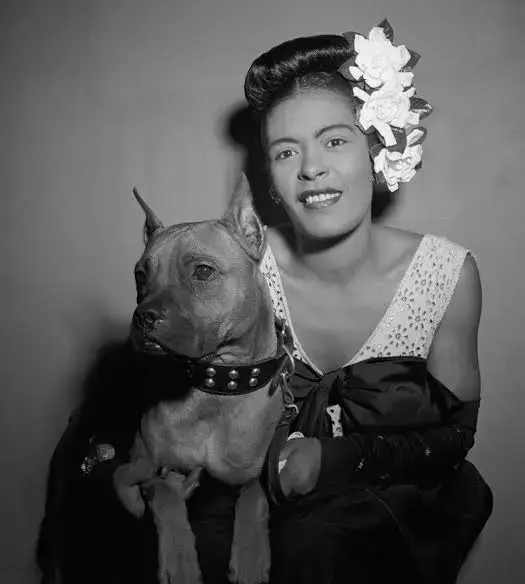
Every July 17, jazz lovers pause for a moment that still feels too small for what it marks. On this day in 1959, Billie Holiday died in a New York hospital room at just 44 years old, closing out one of the most influential and painful careers in American music.
A Voice Built From Hardship
Holiday's early life gave her little reason to expect an easy path. Born Eleanora Fagan in Philadelphia in 1915 and raised largely in Baltimore, she grew up in poverty, moved through foster care, and endured abuse before she ever set foot in a recording studio. By her teens, she was singing in Harlem clubs, where her phrasing, timing, and emotional directness set her apart almost immediately. She didn't have the biggest range in jazz. She didn't need it. What she had was control, an unmatched sense of where to bend a note and where to hold back, turning even simple pop tunes into something that sounded lived-in and true.
From Billie to a Household Name
Her partnership with pianist and bandleader Teddy Wilson in the mid-1930s, and later her work alongside saxophonist Lester Young, helped define the sound of small-group swing. Songs like "God Bless the Child" and "Lover Man" showcased a singer who could turn heartbreak into something almost unbearably intimate. Her 1939 recording addressing lynching in the American South remains one of the most confrontational pieces of music ever released by a major label, and it cemented her reputation as an artist unwilling to separate beauty from difficult truth.
The Cost of Fame
Holiday's success ran alongside relentless personal struggle. She battled addiction for much of her adult life, and her arrests and convictions on drug charges shadowed her career even as her artistry deepened. She lost her cabaret license in New York for years because of a narcotics conviction, which barred her from performing in the city's clubs, one of the cruelest ironies for a singer whose home was the stage. Her later recordings carry a rawness that some critics read as decline and others hear as the sound of a woman refusing to soften herself for anyone.
The Final Days: Billie Holiday's Death Anniversary
By the summer of 1959, Holiday's health had collapsed under the weight of liver and heart disease. She was admitted to a New York hospital, and even in her final days, authorities reportedly placed her under police guard over suspected drug possession, a detail that has come to symbolize how thoroughly the system that once celebrated her also failed to let her rest. She died on July 17, 1959, with a reported fortune in royalties still owed to her and barely anything in her bank account.
Why She Still Matters
More than six decades later, Holiday's influence runs through nearly every vocalist who values phrasing over flash. Nina Simone, Amy Winehouse, and countless others have cited her as a foundation. Her catalog remains a staple of jazz education and critical reassessment, not just for its musicality but for what it reveals about race, addiction, and the entertainment industry's willingness to extract art from people it refused to protect.
Remembering Billie Holiday on the anniversary of her death isn't about dwelling on tragedy. It's about recognizing an artist who turned personal and collective pain into some of the most enduring recordings in American music, and whose voice still asks listeners to sit with discomfort rather than look away.


Comments